12 Oct 2026
Regional Economic Indicators and Their Ties to Stake Adjustment Patterns in Cross-Border Smartphone Card Platforms
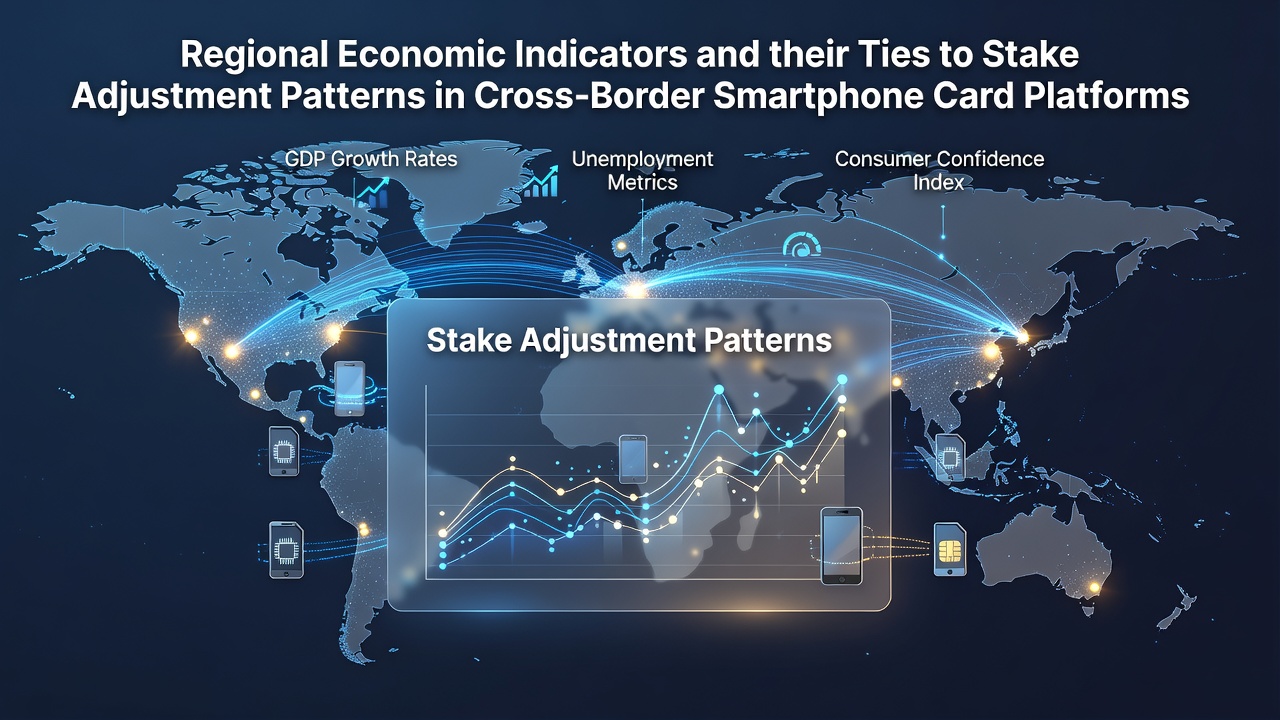
Regional economic indicators such as GDP growth rates, inflation figures, unemployment levels, and currency exchange fluctuations shape how users on cross-border smartphone card platforms modify their stake sizes over time and observers note that these adjustments occur in real time as platform algorithms detect location-based payment data while players themselves respond to local cost-of-living changes.
Data compiled across multiple jurisdictions reveals that rising inflation in one country often coincides with reduced average stake amounts on the same platform when users from that region log in whereas stable or declining inflation elsewhere correlates with steadier or elevated stake patterns and this dynamic plays out simultaneously because cross-border systems process transactions in multiple currencies without requiring manual conversion by the end user.
Key Economic Indicators Driving Stake Behavior
Central banks release quarterly updates that feed directly into analytical models used by platform operators and figures from the Federal Reserve on consumer spending trends in October 2026 illustrated how pockets of economic resilience in certain US states aligned with higher stake persistence on mobile card applications even as neighboring regions showed contraction.
Unemployment spikes prompt measurable shifts toward lower entry-level bets and researchers tracking anonymized transaction logs have documented that platforms serving users across North America and Europe register these changes within days of official labor statistics becoming public while currency volatility adds another layer because a sudden strengthening of one nation's currency against the platform's base unit can make stakes appear cheaper or more expensive overnight.
Cross-Border Platform Mechanics and Regional Data Integration
Smartphone card platforms operating across borders maintain backend systems that pull public economic feeds alongside user geolocation signals and this integration allows automated risk parameters to adjust recommended stake ranges without direct user input in many cases yet manual overrides remain common when individuals monitor their own regional news sources.
One study released by an Australian academic consortium examined transaction volumes between January and September 2026 and found that stake adjustments tracked closely with monthly consumer price index releases from multiple jurisdictions while platforms that offered real-time currency hedging tools recorded smaller swing magnitudes compared with those relying solely on fixed exchange rates.
Observed Patterns in October 2026 Data Sets
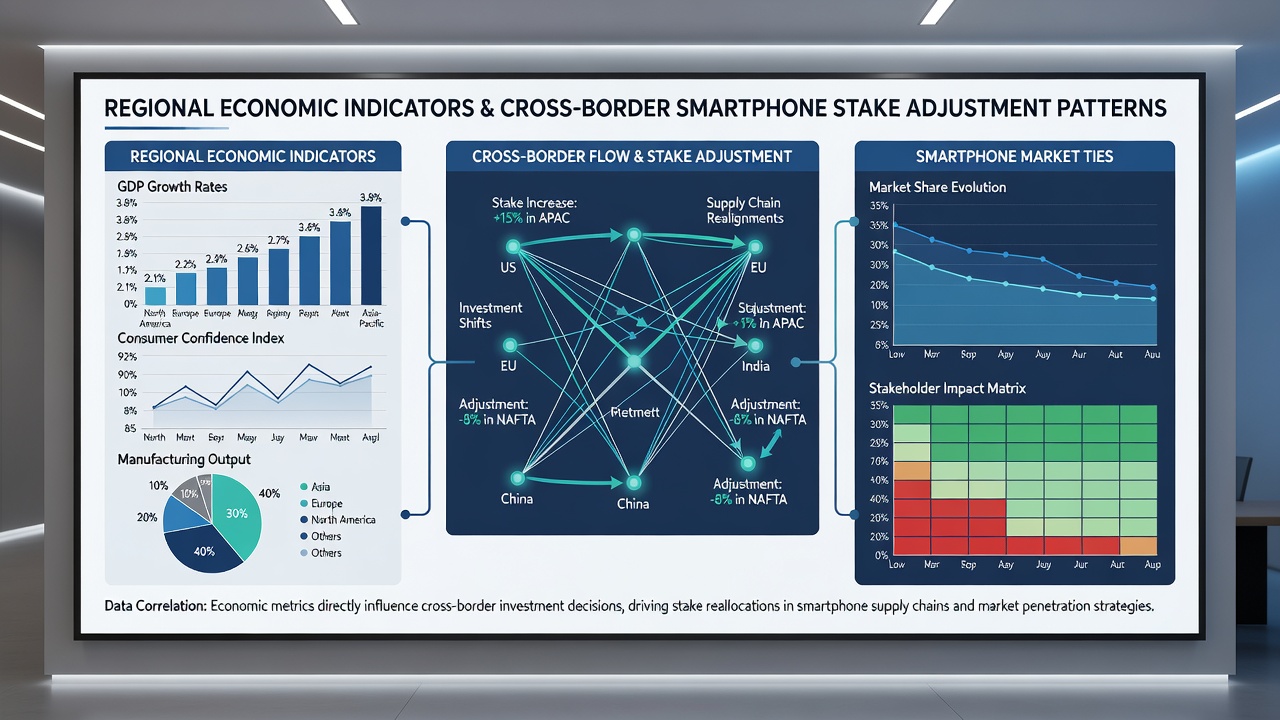
October 2026 brought synchronized releases from several national statistical agencies and platform operators reported corresponding stake recalibrations within the same week as those announcements reached the public and analysts at research institutions noted that regions experiencing simultaneous GDP slowdowns and currency depreciation tended to cluster around conservative stake thresholds more tightly than areas facing isolated challenges.
Payment processors serving these platforms aggregate regional economic signals to refine fraud detection thresholds and the same data streams help surface patterns where users in high-inflation zones reduce session frequency while maintaining or slightly increasing individual stake sizes in an apparent attempt to preserve overall exposure levels.
Regulatory and Industry Data Sources Across Regions
Industry associations in Canada and academic groups affiliated with the Bank of Canada publish periodic overviews of digital transaction behaviors and these reports frequently include anonymized breakdowns by platform type that align stake adjustment clusters with macroeconomic releases while similar efforts from Singapore's monetary authority track Southeast Asian user cohorts on the same global applications.
Cross-referencing these regional sources allows platform developers to calibrate their internal models more precisely and data shared through neutral research consortia shows that stake patterns diverge most sharply when economic indicators move in opposite directions across the user base rather than when all regions move in tandem.
Conclusion
Regional economic indicators continue to influence stake adjustment patterns on cross-border smartphone card platforms through direct effects on disposable income and indirect effects via currency movements and platform data systems capture these shifts at scale while public statistical releases provide the external benchmarks that make such correlations measurable and verifiable across multiple markets.