26 Oct 2026
Regional Event Calendars and Their Correlation with Deposit Timing Strategies in Mobile Live Dealer Card Games
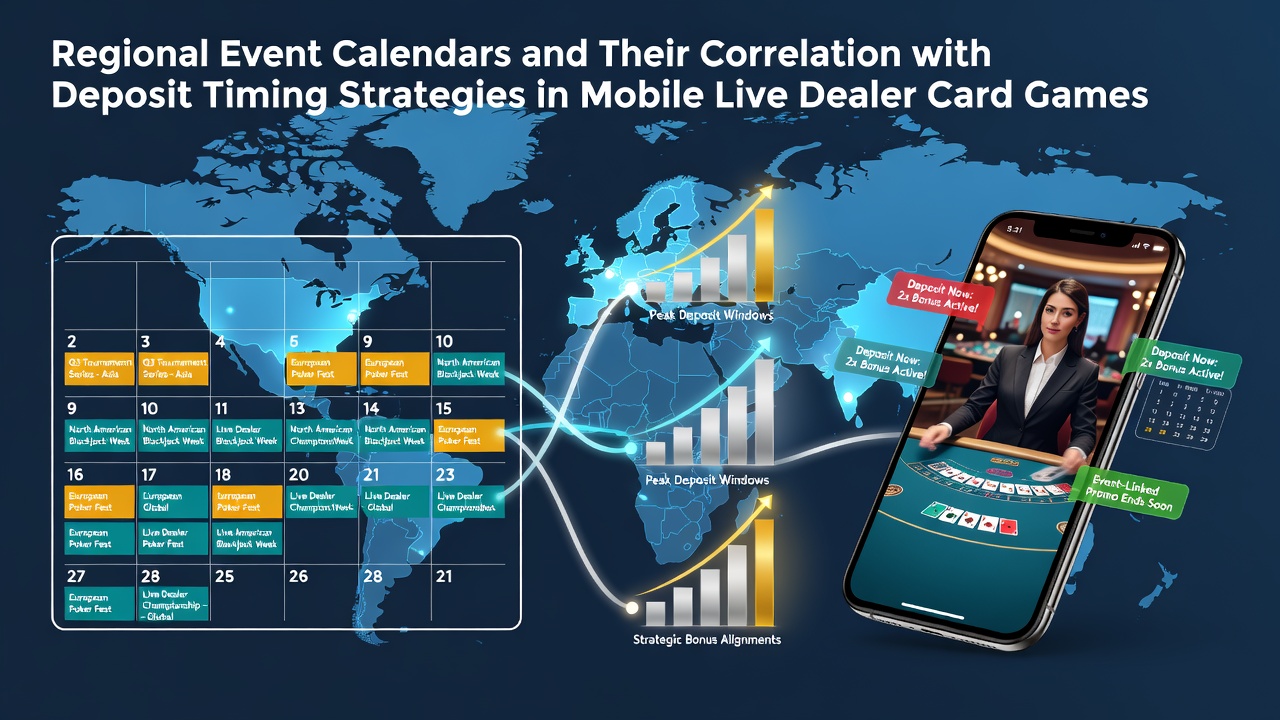
Regional event calendars shape patterns in how players approach deposit timing for mobile live dealer card games, with data showing clear spikes in activity around major local festivals, sports seasons, and holiday periods. Observers note that these calendars provide predictable windows where player engagement rises, prompting adjustments in when funds enter accounts to align with bonus availability or table traffic increases.
Event Calendars Across Different Regions
Calendars vary widely by geography, from North American sports playoffs and harvest festivals to European cultural celebrations and Asian holiday clusters. Researchers tracking mobile gaming platforms have documented how these events create measurable shifts in user behavior, with deposit volumes often rising in the days leading up to peak periods. In October 2026, for instance, overlapping schedules including Canadian Thanksgiving weekends and certain European autumn markets coincide with elevated session starts across cross-border apps.
Data from industry reports indicate that platforms serving multiple regions experience staggered peaks rather than uniform surges, allowing operators to adjust server loads while players refine their own timing approaches. Those who've analyzed transaction logs find that users in one area may deposit early to lock in promotions tied to a local event, whereas others wait until the event begins for live dealer availability to expand.
Deposit Timing Patterns and Mobile Platforms
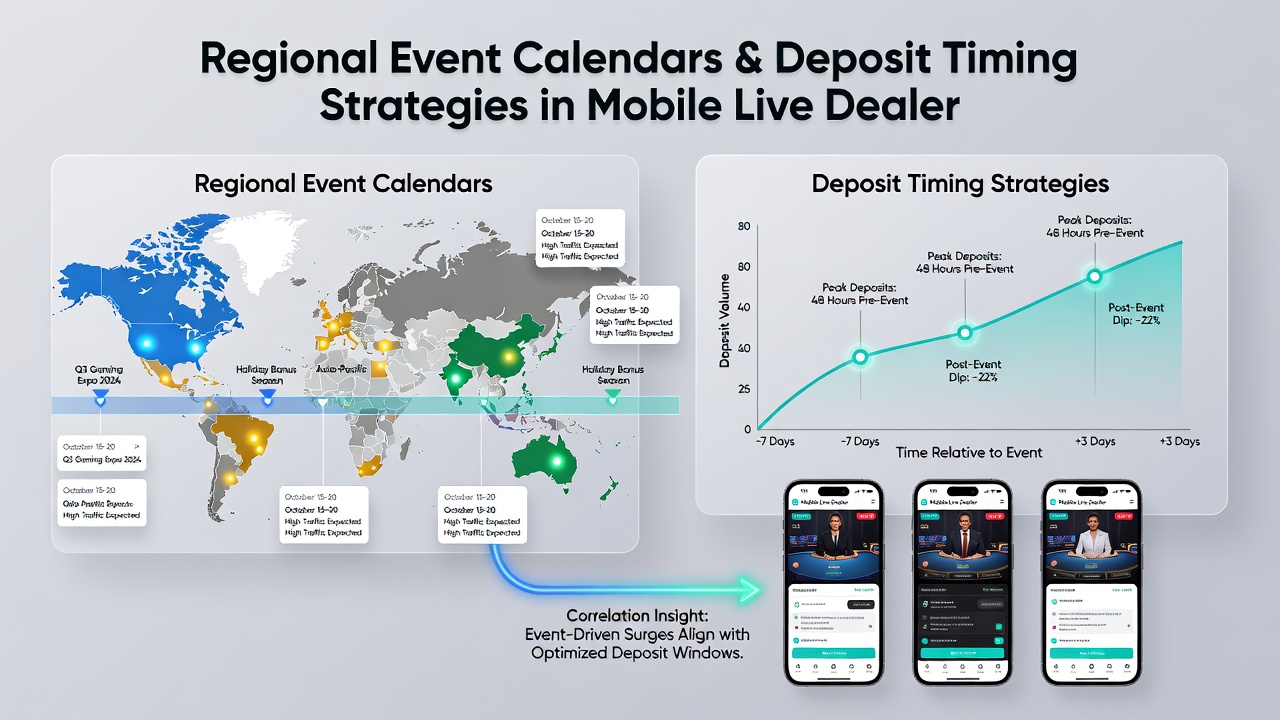
Deposit timing strategies emerge when players coordinate inflows with calendar markers to maximize table access or promotional credits during live dealer sessions. Figures reveal that many users initiate transfers 24 to 72 hours before major regional markers, such as music festivals or championship games, to ensure funds clear before traffic intensifies. Mobile interfaces facilitate these moves through instant processing options that tie directly to event anticipation.
Studies conducted on app-based card platforms show correlations between event density and average deposit sizes, with larger transfers appearing ahead of extended holiday sequences. Players often monitor regional schedules through integrated notifications, adjusting thresholds based on historical traffic data rather than random impulses. This approach connects deposit actions to observable patterns in live dealer availability across different time zones.
Observed Correlations in Transaction Data
Transaction records demonstrate that regional events correlate with deposit clustering, particularly when events overlap with weekend schedules or extended public holidays. According to analysis from the American Gaming Association, mobile card game deposits show measurable upticks during periods of heightened local activity, though the exact drivers differ by jurisdiction. Platforms record these movements through timestamped logs that link calendar dates to funding events without requiring manual intervention.
What's notable is how certain events produce longer lead times for deposits, whereas others trigger last-minute activity once live tables fill. Observers tracking these flows across smartphone networks report that battery-conscious users sometimes batch deposits earlier in the day to avoid connectivity issues during peak event hours. The reality is that these patterns hold across multiple markets, creating opportunities for platforms to predict load and for users to align strategies with available dealer sessions.
Strategic Adjustments Based on Calendar Insights
Users develop timing approaches by cross-referencing event calendars with platform-specific data on bonus lifespans and table minimums. Research indicates that deposits placed just before regional sports finals or cultural festivals often coincide with expanded dealer rosters, reducing wait times for preferred variants. Those monitoring these trends note that smaller, more frequent deposits appear during overlapping event windows, while single larger transfers dominate isolated holiday periods.
Platforms serving international audiences integrate calendar feeds that highlight upcoming markers, allowing players to plan around time zone differences. Evidence from transaction reviews suggests that users in regions with dense event schedules maintain steadier deposit rhythms compared to those in areas with sparse markers. This consistency helps maintain bankroll flow without abrupt shifts tied to isolated occasions.
Regional Variations and Platform Responses
Differences emerge when comparing North American patterns, which often cluster around professional sports calendars, against those in Australia and parts of Asia that align more closely with seasonal festivals and national holidays. A report issued through Victorian Responsible Gambling Foundation resources highlights how localized event timing influences funding behavior on mobile channels, with distinct peaks tied to each area's unique schedule. Operators respond by rotating promotions that match these regional rhythms rather than applying uniform global offers.
Live dealer sessions expand or contract based on anticipated demand drawn from calendar analysis, creating feedback loops where deposit timing further reinforces event-driven traffic. Players who track these adjustments report improved access to tables during high-interest periods without excessive delays in fund availability.
Conclusion
Regional event calendars continue to provide structured reference points for deposit timing in mobile live dealer card games, with data confirming consistent correlations across varied markets. These patterns support predictable adjustments that align funding actions with periods of increased table activity and promotional alignment. As calendars evolve through 2026 and beyond, the documented relationships between events and deposit flows remain central to understanding player behavior on these platforms.