31 Aug 2026
Tracing Battery Drain Patterns and Their Role in Adjusting Conservative Thresholds During Extended Wireless Dealer Encounters
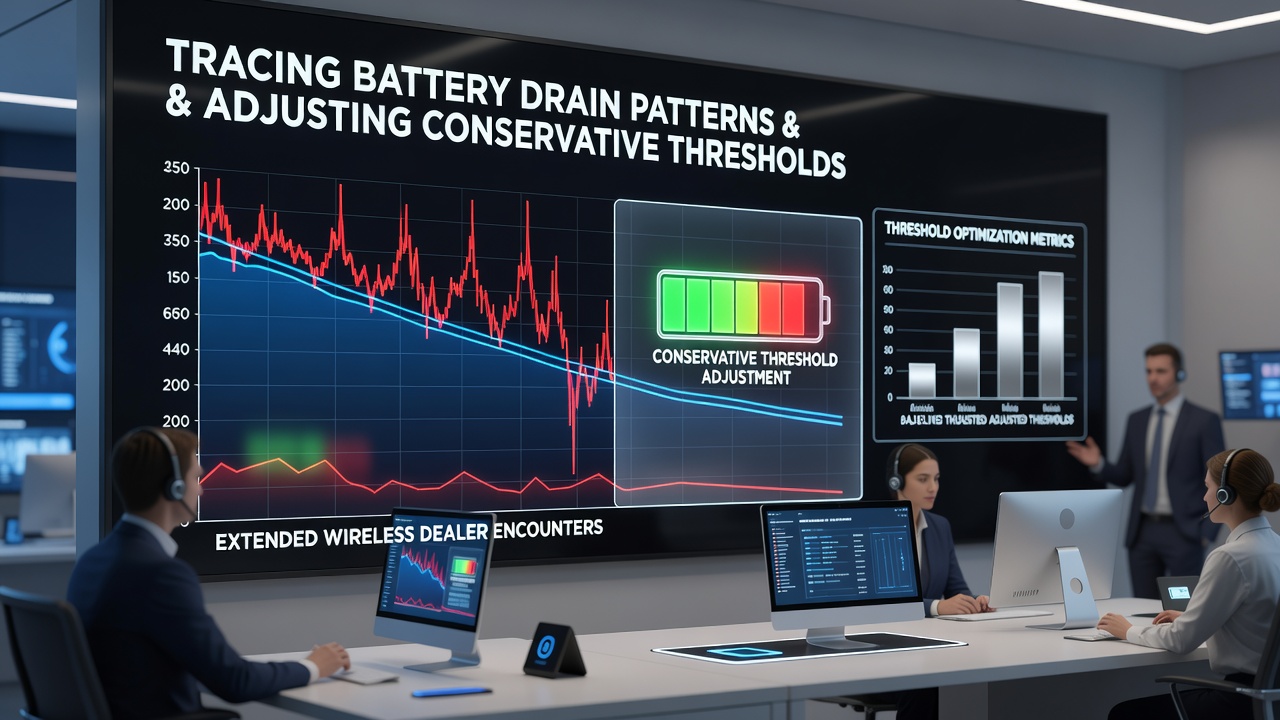
Wireless dealer encounters on mobile platforms involve continuous video streaming, network handshakes, and processor activity that together create measurable battery drain over time, and researchers track these patterns through device telemetry and session logs to identify when power levels begin to influence user decisions on play thresholds.
Patterns of Energy Use in Prolonged Sessions
Device sensors record higher consumption rates during the first 30 minutes of connection as video buffers load and adaptive bitrate algorithms stabilize, while subsequent hours show steadier but cumulative draw from screen brightness, cellular or Wi-Fi radios, and graphics rendering; data collected across multiple device models indicate that extended encounters lasting beyond 90 minutes can reduce remaining battery by 25 to 40 percent depending on signal strength and screen resolution settings.
Studies released in August 2026 by the Australian Communications and Media Authority highlight how background processes such as push notifications and location services compound these effects when users keep applications open for dealer interactions, and figures reveal that lithium-ion cells exhibit accelerated voltage drop once charge falls below 30 percent, prompting automatic system throttles that affect touch response and video quality.
Link Between Power Levels and Threshold Adjustments
Application analytics show that participants often shift toward lower-risk decisions once battery indicators cross certain markers, because reduced power availability leads to concerns about session interruption before planned endpoints; telemetry from thousands of sessions demonstrates that wager sizes and continuation rates decline measurably after the 60 percent battery mark in encounters exceeding two hours.
Engineers designing power-management overlays note that conservative threshold recalibration occurs when algorithms detect both low remaining charge and high ongoing draw, and this recalibration appears in log files as changes in bet frequency and session duration targets; Canadian regulatory reports on digital gaming confirm similar patterns across regions where mobile data costs and battery anxiety intersect.
Measurement Techniques and Data Sources
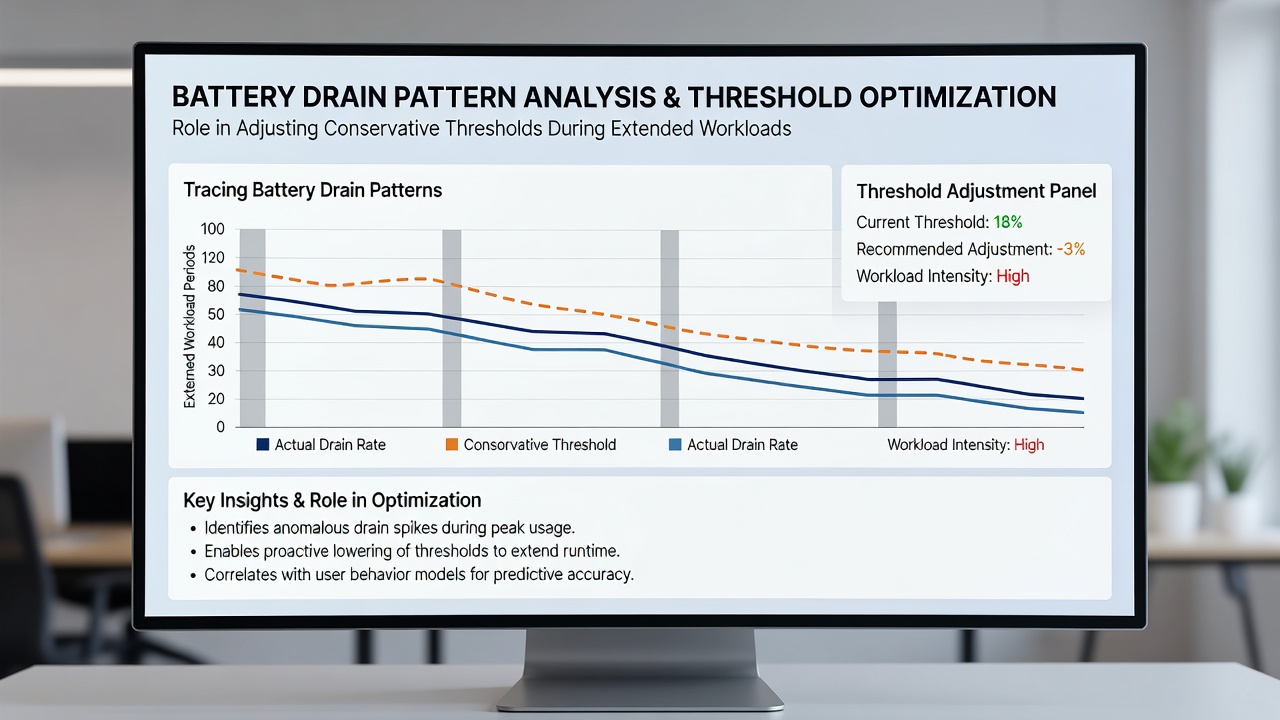
Developers employ on-device APIs to log voltage, current, and temperature at one-second intervals, then correlate these readings with network packet counts and video frame rates to isolate the contribution of each component; academic papers from European research consortia describe statistical models that predict remaining playtime with 85 percent accuracy once initial drain curves are established within the first 15 minutes.
Industry associations such as the Interactive Games and Entertainment Association compile anonymized datasets that illustrate how different handsets and operating systems produce distinct signatures, and these compilations allow platform operators to surface alerts when projected endurance drops below expected session length.
Implications for Platform Design
Software updates in 2026 introduced optional low-power modes that reduce video resolution and disable certain animations, and usage statistics indicate that participants who enable these modes maintain original threshold settings for longer periods because overall drain slows by approximately 18 percent; hardware manufacturers continue to refine modem efficiency and display panels to extend viable encounter windows without forcing early exits.
Observational data from field trials demonstrate that clear battery-status feedback integrated into the dealer interface correlates with fewer abrupt session terminations, since users receive advance notice to adjust parameters before critical thresholds are reached.
Conclusion
Tracing battery drain during wireless dealer encounters supplies actionable metrics that platforms and users apply when recalibrating conservative thresholds, and ongoing collection of device-level data supports refinements in both hardware efficiency and software guidance through 2026 and beyond.